
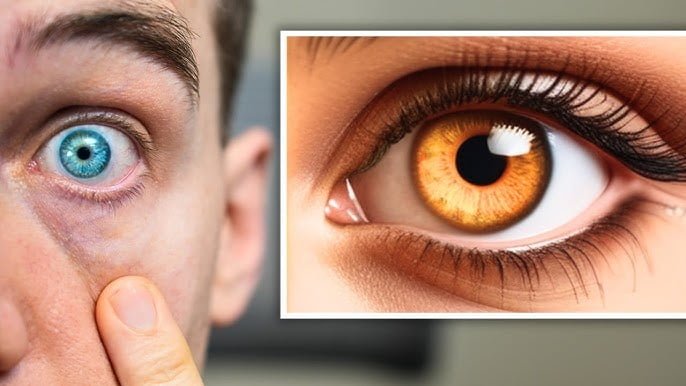
Your eyes are one of the most important organs in your body, yet many people don’t think about eye health until a problem arises. Regular eye exams are essential, but did you know that you can perform a basic eye test at home? This simple test won’t replace a professional exam, but it can help you detect potential vision problems early. If you notice any issues, it’s time to schedule an appointment with an eye doctor!
How to Perform a Home Eye Test
To do this test, you’ll need a few things:
- A well-lit room
- A measuring tape or ruler
- A printed or digital Snellen chart (easily found online)
- A covering for one eye (like a clean cloth or tissue)
Here’s how to check your vision step by step:
1. Test for Distance Vision (Snellen Chart)
The Snellen chart is the standard tool used to test visual acuity, which measures how clearly you see at a distance.
- Step 1: Print or display a Snellen chart at eye level. You can find printable versions online or use an app that simulates it.
- Step 2: Stand 10 feet (about 3 meters) away from the chart.
- Step 3: Cover one eye with a clean cloth or tissue. Make sure you don’t press too hard, as that can affect your results.
- Step 4: Read the letters starting from the top row, moving downward. The smaller the letters you can read, the better your vision.
- Step 5: Repeat with the other eye.
If you can’t read the fourth line from the top clearly, or if the lines seem blurry or distorted, you might need corrective lenses, and it’s time to see an eye doctor.
2. Near Vision Test
This test checks for problems with near vision, such as presbyopia (age-related difficulty seeing up close).
- Step 1: Hold a book or newspaper at a comfortable reading distance (about 14-16 inches from your eyes).
- Step 2: Try reading a paragraph or sentence with one eye covered. Then repeat with the other eye.
If you find it hard to read the text clearly, or you need to hold the book closer or farther than usual, this may indicate a problem with near vision, and an eye doctor can help assess your needs.
3. Peripheral Vision Test
Peripheral vision refers to your ability to see objects outside the direct line of sight.
- Step 1: Sit facing forward and focus on a point straight ahead.
- Step 2: Without moving your eyes, ask someone to move an object (like a pen or a small ball) from behind you toward your side, then out to the front. Let them know when you first see the object in your side vision.
- Step 3: Repeat on both sides.
If you notice a reduced field of view or can’t detect objects until they are nearly in front of you, this could indicate a peripheral vision issue, and you should see an eye doctor.
4. Color Vision Test
Color blindness, or difficulty distinguishing between certain colors, can also be tested at home.
- Step 1: Look up online color vision tests or color blindness test images.
- Step 2: Try to identify the numbers or patterns hidden within the images.
If you struggle to see the numbers or patterns in color vision tests, it’s worth getting a comprehensive eye exam to evaluate your color vision.
When to See an Eye Doctor
Failing any of these home tests can be a sign of an underlying vision problem. You should schedule an appointment with an eye doctor if you experience any of the following:
- Blurry vision or difficulty focusing
- Frequent headaches or eye strain
- Trouble seeing objects up close or at a distance
- Difficulty with night vision
- Eye discomfort, redness, or irritation
Even if you pass these tests, it’s a good idea to have a comprehensive eye exam every 1-2 years to check for conditions like glaucoma, cataracts, and macular degeneration, which may not have early symptoms.
The Importance of Regular Eye Exams
Home tests are a helpful way to catch potential issues, but they are no substitute for a professional eye exam. An eye doctor can detect not only vision changes but also early signs of eye diseases that could lead to permanent vision loss if left untreated.
Taking care of your eyes is crucial to maintaining your overall health and well-being. If you notice any problems during your home eye test, don’t delay—schedule a visit with an eye doctor to protect your vision.