
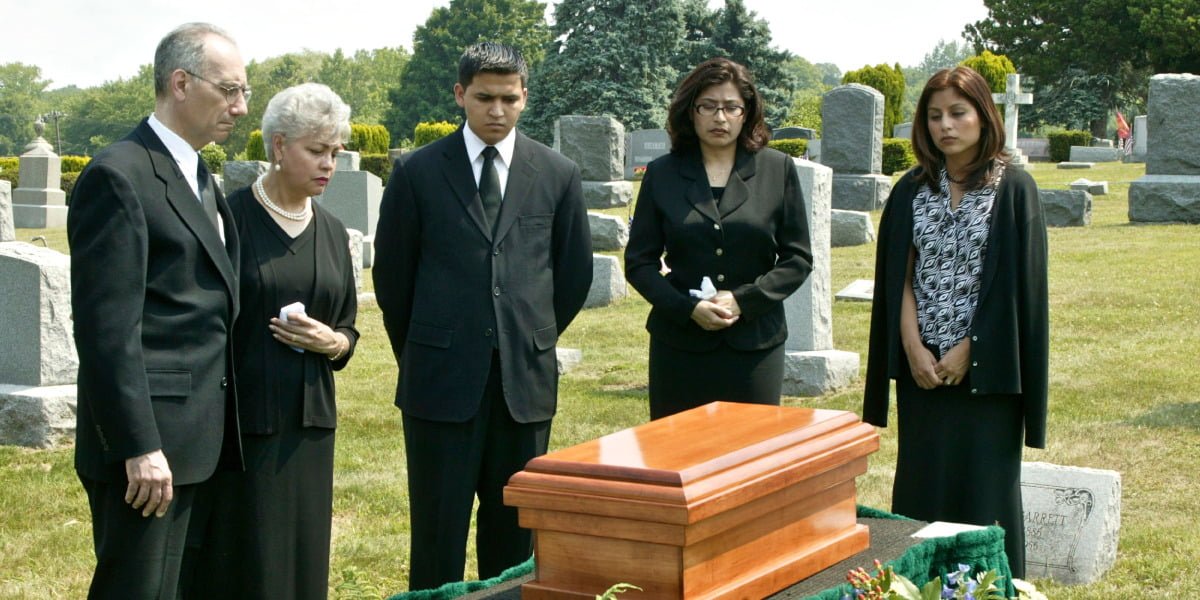
Death remains one of life’s greatest mysteries, with various scientific and spiritual perspectives attempting to explain what happens after we die.
1. Biological Process: From a scientific standpoint, death begins with the shutdown of bodily functions. The heart stops beating, circulation ceases, and the brain, deprived of oxygen, dies. Cells in the body begin to break down in a process called autolysis, leading to decomposition.
2. Loss of Consciousness: Once the brain dies, all thoughts, memories, and awareness fade. Clinical studies of near-death experiences have explored what happens during the final moments of life. Some report out-of-body experiences, seeing a bright light, or feelings of peace, though these sensations are not universally experienced and may be attributed to brain activity as it shuts down.
3. Spiritual Perspectives: Various cultures and religions offer different views on what happens after death. In many religious beliefs, such as Christianity, Islam, and Hinduism, the soul continues to exist after the body dies, with the possibility of entering an afterlife, reincarnating, or transitioning into a spiritual realm. Some believe in heaven or hell, while others think of death as a journey toward rebirth in a new form.
4. Theories of Consciousness: In recent years, some scientists and philosophers have speculated that consciousness might exist independently of the brain. While there is no empirical evidence to support this, theories like these fuel ongoing discussions about what happens after death.
In summary, while the physical aspects of death are well understood, the questions about consciousness and what, if anything, happens to the soul or mind after death remain speculative and highly influenced by cultural and religious beliefs.