
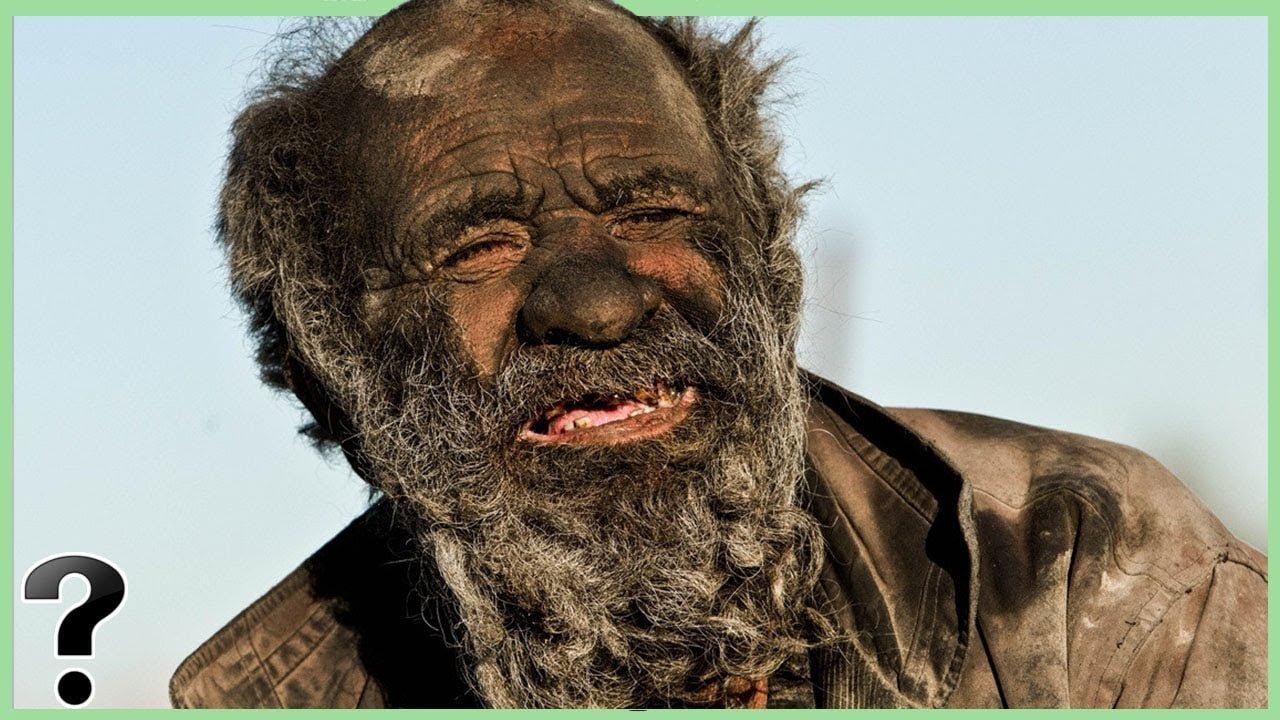
Showering is a daily routine that most people follow to maintain hygiene and feel refreshed. But what if you decided to stop showering entirely? While it might seem like an interesting experiment, the consequences of skipping showers would build up over time, and they wouldn’t be pleasant.
Immediate Effects
In the first few days of not showering, your body would begin to accumulate sweat, dead skin cells, and natural oils. Sweat on its own doesn’t smell, but when it interacts with bacteria on your skin, it can produce unpleasant body odor. Without showering, bacteria would multiply quickly in areas where sweat glands are most active, like your armpits, groin, and feet.
Within a week, your hair would start to feel greasy and oily. Your scalp produces natural oils (sebum) to keep your hair healthy, but without washing, it would build up, creating a sticky layer on your scalp. Dandruff might also increase, as dead skin cells would not be rinsed away.
Longer-Term Effects
As weeks pass, the accumulation of dirt, oils, and dead skin on your body would become more noticeable. This could lead to clogged pores and a higher risk of developing acne or skin infections. Without cleaning, bacteria and fungi that naturally live on your skin could grow unchecked, leading to conditions like folliculitis (inflamed hair follicles), ringworm, or even yeast infections in moist areas.
Your hair would continue to become more greasy and matted. Scalp buildup could cause itching, dandruff, and scalp infections. Some people might develop seborrheic dermatitis, a condition where skin becomes red, flaky, and irritated.
Body odor would intensify over time. Since sweat and bacteria aren’t being washed away, the stench would become more persistent and noticeable. Deodorant or perfumes could only mask the smell temporarily, but they wouldn’t fix the root issue.
Health Risks
Skipping showers for months or years would increase your risk of serious skin problems. One major concern is a condition called dermatitis neglecta, where areas of the skin become thickened, discolored, and crusty due to a lack of cleaning. This occurs when dirt and oils harden on the skin, forming plaques that are difficult to remove without medical treatment.
Not showering could also impact your social life and mental health. Persistent body odor and visible dirt buildup could make interactions uncomfortable, leading to isolation or embarrassment. Additionally, poor hygiene has been linked to conditions like depression and anxiety.
Could the Body Adjust?
Some proponents of the “no-shower” movement suggest that the body could adjust to not being washed, with natural oils balancing out over time. While it’s true that showering less frequently may be possible for some people, especially in cooler climates, complete avoidance of hygiene would eventually lead to severe consequences for most individuals.
Ultimately, while the human body can tolerate many things, a complete lack of showers would lead to uncomfortable, smelly, and potentially dangerous outcomes. Showers are essential for maintaining not just personal hygiene, but overall health.